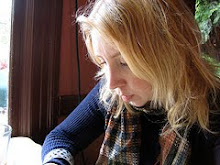
Being away from home for an extended time with no real schedule or end date or solid future plan can be daunting. Total self-direction is something that I haven't experienced before, what with the working and the regular-life obligations. When responsibility comes in the context of a purely selfish pursuit, it can be heavy. Every day I balance worry that I will squander this opportunity by not doing enough or the right enough with annoyance that I can't just chill out for once and enjoy my time off the grid. Its a high-class problem to have, but a tightrope still, my friends.
All that is to say that in the 7 weeks since we left the States, I've come to a few conclusions that are shaping my approach to travel and maybe will help other people headed off the reservation. So, I thought I'd share.
- Stay in nice places. I've never cared much about the accommodations on vacation because I'm not one to spend much time in the room. The difference now is that the where we stay is home while we're there. This isn't a quick jaunt from our permanent residence, this is our life. And besides being the place we sleep, its where we do research, make travel plans, Skype with friends and family, and conduct life business. So its needs to be better than just inhabitable. Nice vibes, please.
- Stay in hostels, even if you don't have dreadlocks and a backpack. I think most Americans picture dorm-style flea factories but, infact, a lot of hostels are uber-charming and feel more like B&Bs than freshman bunks. Most have a common area and/or kitchen, which gives you a spot to hang besides your room and a chance to mix it up with other people. When we have stayed in hotels we haven't talked to a soul. Socializing, even for an hour after dinner, with strangers is like an injection of new material into the routine. We flex our social muscles and remember our couple-y A-game. Also, we occasionally have something to mock when we retire for the evening.
- Figure out how much fun is enough fun. The amount of stuff we pack into a day varies hugely. Some mornings, we're breakfasted and traveled to our first destination by 10 and return long after dark. Other days, after 5 or 6 hours of sightseeing, I want to go to the room and stare at the ceiling. Being in unfamiliar surroundings, not speaking or reading the language, not knowing where we are, how we'll get to the next place, or even what the next place is, can be tiring. I think the brain can only take in a certain amount of newness a day. After that, let it rest. Sponge full.
- Research is helpful, but it can become a Sisyphean task. I mean, thank God for the internet. At the same time, there is so much information and so many strong opinions, I've found myself in decision paralysis more than once. The world is our oyster, yes, but its a big-ass shell and I'm bad at geography. Sometimes just picking the next destination based on weather, affordability, cool accommodations and 1 thing we want to see or do is enough. Like the place we're headed tomorrow with the penis-sculpture park. Good times!
- Also on the research front, I've sort of crossed over from pulling together lists of restaurants, bars, galleries, etc., to just getting a basic understanding of which neighborhoods to check out, and a map. The contributing writer for the Lonely Planet doesn't have better taste in boutiques or bars than I do, so I mostly wing it. We find it more satisfying to make great discoveries ourselves than to spend much time circling the address of a place recommended. Because, frankly, there's only a 50% chance that its better than the one we would've picked just walking by.
- And in terms of food/restaurant discoveries? Our system is pretty much to hang out in non-touristy neighborhoods and eat in crowded restaurants. In Beijing, in particular, this strategy did not fail. Most of those joints had Chinese-only menus, so we just pointed at what other people were eating and had some of the best meals of our lives.
I think that was the most serious post I've written since we boarded the plane for Mongolia. Gravitas exhausted. Seacrest out.
Showing posts with label Beijing. Show all posts
Showing posts with label Beijing. Show all posts
Tuesday, August 24, 2010


Sunday, August 15, 2010
Activate Human Shield
When you leave home for distant lands, your loved ones remind you to "be safe." Often. And before coming here, we both gave some thought as to how we would take care of ourselves and each other and our crap during our travels.
Interestingly, I don't think either of us had spent much time preparing for what is surely the most dangerous threat we've encountered in Asia. Its not crime against foreigners. Not diseases we for which we aren't vaccinated. Its not food poisoning or malaria-carrying bugs. Its traffic. The traffic in the 3 major cities we've visited (Ulanbator, Beijing & Seoul) is fucking terrifying. In UB, its like the driving public is made up of drunk 14 year olds joyriding in stolen cars. The good folks of Beijing drive with one foot on the gas, one on the break, and both hands on the horn. In Seoul, while slightly less frenetic, stop lights seem to be a guideline and cars often swerve through crossing lanes to avoid the pedestrians who, theoretically, have the light.
In Beijing and Seoul, in particular, car culture has taken hold just in the last couple of decades and people are pretty amped about the complexity of the intersections they've managed to create. It is not at all uncommon to come to a 5 way stop, each direction 4 lanes wide, and stand at a corner pondering when might be an opportune time to grasp hands and sprint across the pavement.
The reason I'm typing this with none of my limbs encasted is that we devised a defense strategy using human shields. This started, in earnest, in Beijing when we were so gd confused as to when might be our turn to cross that we would blatantly choose a local-looking pedestrian to shadow. Over weeks the system was refined so that by the end of our time in Seoul, we were crossing large intersections surrounded on all sides by able-bodied, crossing-savvy Koreans.
To all the residents of Seoul and Beijing that we shamelessly tailed, thank you for your protection. We didn't mean to freak you out, we were just trying to be safe.
Interestingly, I don't think either of us had spent much time preparing for what is surely the most dangerous threat we've encountered in Asia. Its not crime against foreigners. Not diseases we for which we aren't vaccinated. Its not food poisoning or malaria-carrying bugs. Its traffic. The traffic in the 3 major cities we've visited (Ulanbator, Beijing & Seoul) is fucking terrifying. In UB, its like the driving public is made up of drunk 14 year olds joyriding in stolen cars. The good folks of Beijing drive with one foot on the gas, one on the break, and both hands on the horn. In Seoul, while slightly less frenetic, stop lights seem to be a guideline and cars often swerve through crossing lanes to avoid the pedestrians who, theoretically, have the light.
In Beijing and Seoul, in particular, car culture has taken hold just in the last couple of decades and people are pretty amped about the complexity of the intersections they've managed to create. It is not at all uncommon to come to a 5 way stop, each direction 4 lanes wide, and stand at a corner pondering when might be an opportune time to grasp hands and sprint across the pavement.
The reason I'm typing this with none of my limbs encasted is that we devised a defense strategy using human shields. This started, in earnest, in Beijing when we were so gd confused as to when might be our turn to cross that we would blatantly choose a local-looking pedestrian to shadow. Over weeks the system was refined so that by the end of our time in Seoul, we were crossing large intersections surrounded on all sides by able-bodied, crossing-savvy Koreans.
To all the residents of Seoul and Beijing that we shamelessly tailed, thank you for your protection. We didn't mean to freak you out, we were just trying to be safe.
Friday, August 6, 2010
Shopping. Well, browsing...
One of the very few but very tragic problems with our trip is that we have to carry all of our crap around with us indefinitely. In China, we've shopped and pawed and looked and discussed and can't really buy because the 14 pound gilt dragon I have my eye on ain't fitting in the carry on. But, we still browse and the Chinese do love them some retail therapy.
So, for those maybe going to Beijing, a rundown. Also, before you judge, a lot of these places are also architecturally interesting culturally important. Just saying.
Liulichang Hutong - A really beautiful and winding street selling all manner of calligraphy brushes and art supplies. Ancient shops run by ancient dudes practicing ancient arts. Also a couple of really nice
galleries in the mix. Worth a stroll.
Qianmen Dajie - 2 Thumbs down. Its the South Street Seaport of Beijing. The Inner Harbor, if you will. I'm pretty sure there was a Gap. Pass.
Panjiayuan Antique Market - So fun! So large! So needed more time! We ganged this up with the Glasses City day, they're real close together and not that convenient from the center of Beijing. The Antique market is AMAZING. You have your standard scroll aisle, your jade aisle, your books and trinkets and jewelry aisles. But the beauty part is the stalls around the edges where dudes with taste and a Type A personality have compulsively collected and cataloged their one special thing. One guy had a store that just sold pre-1950s
Chinese radios and antique cameras. One was selling mint condition vintage leather luggage. One had old maps. This place is a gem because its vast and fascinating, but mostly because it isn't there for the tourists. Regular Chinese people hit it on the weekends like any flea market in the US. No one tries to hassle you or talk you into shit you don't want or make you eat Peking Duck. I actually had to wake one guy up to ask him about a bracelet.
Xidan Shopping Center - For clothes, this is the right mid-market place. Its surrounded by chain stores but this 7 story mall was the beginning of the district and is still mobbed. Its Chinese style - mostly stalls rather than brick and mortar. You can't try stuff on that's on sale, prices seriously negotiable. Pretty good quality and some really cute stuff rather than just LV knockoffs and ugly Korean rhinestone-encrusted sunglasses. We went on a day that it poured and enjoyed the people watching, the browsing, and the food court.
There's also an arcade that looks to host some pretty fierce Dance Dance Revolution match ups.
Wangfujing Dajie - Close to the high rent district and not really our scene. Mostly big Western stores and high end Chinese department stores. The snack street right off of it was worth a wander. I especially enjoyed the sugar covered grape skewer.
Xizhimen - there is a 4 story department store right next to the Beijing Zoo that Ed and I hit when we realized we were going to a fancy restaurant with friends and were dressed like dirt bags. Ed got a button down for $10 and I got an awesome shirt on sale for $6. Most of the stuff is pretty ugly, but it is bottom of the barrel cheap if that's what you're after.
Oh, special not-so-insider's tip. If you don't want to interact with a salesperson in China, do NOT touch anything. A brush of a fingertip against the merch invites a lengthy and confusing interaction. It kind of goes like this: you pick something up, salesperson picks up something else that may or may not be tangentially related to the thing you picked up and then starts explaining things to you in Mandarin. You, eventually, put yours down and everyone walks away confused. Just look, and not directly if possible, for reals.
Shenyang seems to be a retail mecca, though I don't know if we'll have time to explore. No one loves a Cargo-Capri like the people of Northern China and I'm nearly convinced. Somebody help.
So, for those maybe going to Beijing, a rundown. Also, before you judge, a lot of these places are also architecturally interesting culturally important. Just saying.
Liulichang Hutong - A really beautiful and winding street selling all manner of calligraphy brushes and art supplies. Ancient shops run by ancient dudes practicing ancient arts. Also a couple of really nice
galleries in the mix. Worth a stroll.
Qianmen Dajie - 2 Thumbs down. Its the South Street Seaport of Beijing. The Inner Harbor, if you will. I'm pretty sure there was a Gap. Pass.
Panjiayuan Antique Market - So fun! So large! So needed more time! We ganged this up with the Glasses City day, they're real close together and not that convenient from the center of Beijing. The Antique market is AMAZING. You have your standard scroll aisle, your jade aisle, your books and trinkets and jewelry aisles. But the beauty part is the stalls around the edges where dudes with taste and a Type A personality have compulsively collected and cataloged their one special thing. One guy had a store that just sold pre-1950s
Chinese radios and antique cameras. One was selling mint condition vintage leather luggage. One had old maps. This place is a gem because its vast and fascinating, but mostly because it isn't there for the tourists. Regular Chinese people hit it on the weekends like any flea market in the US. No one tries to hassle you or talk you into shit you don't want or make you eat Peking Duck. I actually had to wake one guy up to ask him about a bracelet.
Xidan Shopping Center - For clothes, this is the right mid-market place. Its surrounded by chain stores but this 7 story mall was the beginning of the district and is still mobbed. Its Chinese style - mostly stalls rather than brick and mortar. You can't try stuff on that's on sale, prices seriously negotiable. Pretty good quality and some really cute stuff rather than just LV knockoffs and ugly Korean rhinestone-encrusted sunglasses. We went on a day that it poured and enjoyed the people watching, the browsing, and the food court.
There's also an arcade that looks to host some pretty fierce Dance Dance Revolution match ups.
Wangfujing Dajie - Close to the high rent district and not really our scene. Mostly big Western stores and high end Chinese department stores. The snack street right off of it was worth a wander. I especially enjoyed the sugar covered grape skewer.
Xizhimen - there is a 4 story department store right next to the Beijing Zoo that Ed and I hit when we realized we were going to a fancy restaurant with friends and were dressed like dirt bags. Ed got a button down for $10 and I got an awesome shirt on sale for $6. Most of the stuff is pretty ugly, but it is bottom of the barrel cheap if that's what you're after.
Oh, special not-so-insider's tip. If you don't want to interact with a salesperson in China, do NOT touch anything. A brush of a fingertip against the merch invites a lengthy and confusing interaction. It kind of goes like this: you pick something up, salesperson picks up something else that may or may not be tangentially related to the thing you picked up and then starts explaining things to you in Mandarin. You, eventually, put yours down and everyone walks away confused. Just look, and not directly if possible, for reals.
Shenyang seems to be a retail mecca, though I don't know if we'll have time to explore. No one loves a Cargo-Capri like the people of Northern China and I'm nearly convinced. Somebody help.
Tuesday, August 3, 2010
In lieu of diamonds, gold and platinum reminders will still shine bright
If any of you are Billy Joel fans and really stuck with him right up through the River of Dreams days, I challenge you to go to the Great Wall and refrain from singing the song "The Great Wall of China." You can't! Its too fun!
Hollis' friend & boss Jose and his family were in Beijing at the same time we were and hosted us on their trip to the Wall. The first day,we went to Mutianyu and practically had the run of the place. We took the chair-lift to the top and hiked east until we couldn't go further. This section of the wall has been well restored and overlooks a beautiful valley. There are hundreds of steps up and down and we were all sweaty and panting even at a leisurely pace. Its hard to imagine the Imperial Army running up and down those same stairs and hoisting boulders over the sides as they fought off attackers. The Wall itself is a thing of beauty. There were originally 7 or more sections protecting various kingdoms and it wasn't until much later that they were connected to make one biggun. Even though the purpose for the structure was military defense, amazing craftsmanship went into the construction and the towers and roofing have beautiful detail work. Nowadays you can ride down on an from Mutianyu on an Alpine Slide - I highly recommend!
That evening we stayed in an amazing house near a section of the Great Wall not listed in the guidebooks. The next morning we climbed up to an area of the Wall called Shuigan that hasn't been restored. Parts were steep and perilous and there were long stretches where brush and trees had grown; nature had been allowed to take over. Because the
trail left from the hotel, we were completely on our own up there. Seeing it that way, without hawkers or other tourists, likely doesn't happen for many people and for us was once in a lifetime.
We really can't thank our hosts, Tichi & Jose, enough. We so enjoyed spending time with them and their girls (see Ed's flickr) and had an unforgettable experience.
Hollis' friend & boss Jose and his family were in Beijing at the same time we were and hosted us on their trip to the Wall. The first day,we went to Mutianyu and practically had the run of the place. We took the chair-lift to the top and hiked east until we couldn't go further. This section of the wall has been well restored and overlooks a beautiful valley. There are hundreds of steps up and down and we were all sweaty and panting even at a leisurely pace. Its hard to imagine the Imperial Army running up and down those same stairs and hoisting boulders over the sides as they fought off attackers. The Wall itself is a thing of beauty. There were originally 7 or more sections protecting various kingdoms and it wasn't until much later that they were connected to make one biggun. Even though the purpose for the structure was military defense, amazing craftsmanship went into the construction and the towers and roofing have beautiful detail work. Nowadays you can ride down on an from Mutianyu on an Alpine Slide - I highly recommend!
That evening we stayed in an amazing house near a section of the Great Wall not listed in the guidebooks. The next morning we climbed up to an area of the Wall called Shuigan that hasn't been restored. Parts were steep and perilous and there were long stretches where brush and trees had grown; nature had been allowed to take over. Because the
trail left from the hotel, we were completely on our own up there. Seeing it that way, without hawkers or other tourists, likely doesn't happen for many people and for us was once in a lifetime.
We really can't thank our hosts, Tichi & Jose, enough. We so enjoyed spending time with them and their girls (see Ed's flickr) and had an unforgettable experience.
Brief Summaries of Stuff We Did
Spending a couple of weeks in Beijing is like spending a couple of weeks in New York. You know you're never going to see all of it, and you have to weigh the tourist stuff you should see with the neighborhoods you want to check out, stuff you want to eat, shopping you want to do, etc. I think we've struck a pretty good balance, although we could spend another 3 weeks here and not be close to finished with our list.
I've already talked about Tiananmen and 798, both must sees if you come here.
Beihei Park & the White Dagoba - I'm a big fan of parks and the Chinese really know from gardens. The centerpiece is a humongous lake, much of which is covered with lily pads as big as the paddle boats puttering across them. Its also about 10 degrees cooler within the walls of the park which, on the days where the humidity is unbearable, makes it a nice break from the heat.
The Forbidden City - you have to go, so there isn't really any point in commenting. We earnestly asked a friend over beers if we could skip it, having heard terrible reviews: the sea of umbrella toting tourists, overcrowding, pushing, lack of shade, mile-long lines. He
thought for about 45 seconds and said "No. I'm sorry. You just have to go." So, we did. And you probably will too. The buildings are impressive (kind of the point) and there are a couple of interesting exhibits. Overall, though, it was the most unpleasant tourist experience we've had since leaving NYC. Glad that's done.
Beijing Zoo - PANDAS! We may not get to Chengdu because of the flooding, so it was important to see these furry smooshes in a totally unnatural environment. They're so effing cute, I found myself with my face pressed against the glass for ages. The grounds of the zoo are quite lush, with streams and Chinese willows abounding. The Chinese
haven't jumped on the more humanitarian zoo wagon - there aren't facsimiles of natural environments for the animals. They still keep panthers in 12 x 12 cement cages and the big cats pace angrily against the bars. Side note, people totally bring snacks to feed the animals in the zoo, which isn't something you see everyday. A group of Chinese boys used slices of bread to get a grizzly bear to do tricks in its cement pit. So, really, its part zoo and part circus and all strange and mostly depressing. But, PANDAS!
Lake District - The southern end has a few bar streets with men shouting at you to come in and listen to "My Sharona" and drink Bud. But the Northern end is where, during the day, middle aged Chinese men go to cool off in the lake and people practice Tai Chi. They gather in a spot right under a "No Swimming" sign and paddle around. Its pretty and misty and there are ancient towers rising through the fog/smog on both sides. A lovely stroll.
Former Residence of Soong Ching Ling - coming here, I was a little fuzzy on the details of Chinese history. I'm familiar with Mao's work and knew he supplanted the dynasty structure. But I was a little hazy on where Sun Yat Sen fit in and how and when the People's Republic was born. This residence is a former prince's residence, given to Soon
Ching Ling as a retirement home. She was Sen's wife for about 10 (pretty important) years, and became one of Mao's top officials. The grounds are stunning and the museum is pretty informative, though be prepared for heavy-handed pro-communist spin. Also, she was really into pigeons.
Mao's Tomb or, as we've renamed it, the Maosoleum - I definitely recommend a visit, even though the whole thing is a logistical PIA and you're only in the room with his waxy corpse for about 15 seconds. You have to check your bag, wait in a massive line, empty your pockets, take of your hat and be completely silent for the viewing. His face appears lit from within, like an orange Glo-Worm, but the pomp and circumstance of the whole thing is worthwhile. The only real disappointment was the gift stands out back. All of the merch was tasteful, his likeness only slapped on things you would find in a high
end office gifts store; fountain pens, key chains, framed art. We were hoping for a bit more kitsch but, alas, our dreams of Mao Pez dispensers and boxer shorts was not to be.
Gulou Neighborhood - we've wandered a lot of hutongs and explored quite a few areas of the city since we've been here. This is one of our faves. Gulou is where the tiny seedling of punk rock seems to live in Beijing. Off the main street is the Nanluogo Xiang, which is
the Abbot-Kinney or Bedford Avenue of Beijing. Tons of cute shops, bars with roof decks, snack foods and winding, ancient hutongs.
Bell & Drum Towers - one of the things that's so awesome about Beijing is that its a modern city with all the conveniences of a cosmopolitan metropolis but you can round a corner and see something from the 13 century. These towers were once used for musical purposes and were built by the Mongolians. Now, they're pretty much for tourists to
look at or climb up.
Imperial Hutongs - I'm obsessed with Eunuchs!!!! This is where they lived during the Ming Dynasty. Really well-preserved buildings with the original tile roofs.
We still want to hit the Summer Palace & the Olympic grounds but I've been slowed down by a nasty summer cold, and we leave tomorrow night.
We'll be back, though, for sure!
I've already talked about Tiananmen and 798, both must sees if you come here.
Beihei Park & the White Dagoba - I'm a big fan of parks and the Chinese really know from gardens. The centerpiece is a humongous lake, much of which is covered with lily pads as big as the paddle boats puttering across them. Its also about 10 degrees cooler within the walls of the park which, on the days where the humidity is unbearable, makes it a nice break from the heat.
The Forbidden City - you have to go, so there isn't really any point in commenting. We earnestly asked a friend over beers if we could skip it, having heard terrible reviews: the sea of umbrella toting tourists, overcrowding, pushing, lack of shade, mile-long lines. He
thought for about 45 seconds and said "No. I'm sorry. You just have to go." So, we did. And you probably will too. The buildings are impressive (kind of the point) and there are a couple of interesting exhibits. Overall, though, it was the most unpleasant tourist experience we've had since leaving NYC. Glad that's done.
Beijing Zoo - PANDAS! We may not get to Chengdu because of the flooding, so it was important to see these furry smooshes in a totally unnatural environment. They're so effing cute, I found myself with my face pressed against the glass for ages. The grounds of the zoo are quite lush, with streams and Chinese willows abounding. The Chinese
haven't jumped on the more humanitarian zoo wagon - there aren't facsimiles of natural environments for the animals. They still keep panthers in 12 x 12 cement cages and the big cats pace angrily against the bars. Side note, people totally bring snacks to feed the animals in the zoo, which isn't something you see everyday. A group of Chinese boys used slices of bread to get a grizzly bear to do tricks in its cement pit. So, really, its part zoo and part circus and all strange and mostly depressing. But, PANDAS!
Lake District - The southern end has a few bar streets with men shouting at you to come in and listen to "My Sharona" and drink Bud. But the Northern end is where, during the day, middle aged Chinese men go to cool off in the lake and people practice Tai Chi. They gather in a spot right under a "No Swimming" sign and paddle around. Its pretty and misty and there are ancient towers rising through the fog/smog on both sides. A lovely stroll.
Former Residence of Soong Ching Ling - coming here, I was a little fuzzy on the details of Chinese history. I'm familiar with Mao's work and knew he supplanted the dynasty structure. But I was a little hazy on where Sun Yat Sen fit in and how and when the People's Republic was born. This residence is a former prince's residence, given to Soon
Ching Ling as a retirement home. She was Sen's wife for about 10 (pretty important) years, and became one of Mao's top officials. The grounds are stunning and the museum is pretty informative, though be prepared for heavy-handed pro-communist spin. Also, she was really into pigeons.
Mao's Tomb or, as we've renamed it, the Maosoleum - I definitely recommend a visit, even though the whole thing is a logistical PIA and you're only in the room with his waxy corpse for about 15 seconds. You have to check your bag, wait in a massive line, empty your pockets, take of your hat and be completely silent for the viewing. His face appears lit from within, like an orange Glo-Worm, but the pomp and circumstance of the whole thing is worthwhile. The only real disappointment was the gift stands out back. All of the merch was tasteful, his likeness only slapped on things you would find in a high
end office gifts store; fountain pens, key chains, framed art. We were hoping for a bit more kitsch but, alas, our dreams of Mao Pez dispensers and boxer shorts was not to be.
Gulou Neighborhood - we've wandered a lot of hutongs and explored quite a few areas of the city since we've been here. This is one of our faves. Gulou is where the tiny seedling of punk rock seems to live in Beijing. Off the main street is the Nanluogo Xiang, which is
the Abbot-Kinney or Bedford Avenue of Beijing. Tons of cute shops, bars with roof decks, snack foods and winding, ancient hutongs.
Bell & Drum Towers - one of the things that's so awesome about Beijing is that its a modern city with all the conveniences of a cosmopolitan metropolis but you can round a corner and see something from the 13 century. These towers were once used for musical purposes and were built by the Mongolians. Now, they're pretty much for tourists to
look at or climb up.
Imperial Hutongs - I'm obsessed with Eunuchs!!!! This is where they lived during the Ming Dynasty. Really well-preserved buildings with the original tile roofs.
We still want to hit the Summer Palace & the Olympic grounds but I've been slowed down by a nasty summer cold, and we leave tomorrow night.
We'll be back, though, for sure!
Sunday, August 1, 2010
The Economics of the Cluster
I did piss-poorly in the 3 mandatory levels of economics I had to take in college. One professor, in particular, passed me out of sheer pity. He and I both knew that I hadn't grasped a single concept the entire semester and that a repeat performance would, in all
likelihood, result in the same outcome. Since then, I've picked up some snippets here and there. You know, like how competition works in the marketplace. That differentiation on price, product, location are key drivers for profit. That supply should keep pace with demand and that an identical business opening next door to yours will, in all
likelihood, eat in to your customer base.
So, the Chinese market principles we've seen in Beijing are nothing short of confounding. Yesterday we went to "Glasses City." This is a city block (about 1/8 mile) of 4 story malls containing nothing but glasses shops. As a tourist, wandering around store after store is
amusing and overwhelming. As a shop owner, it must be exhausting. Most of the stores have overlapping merchandise. Without even beginning to bargain, a salesperson might offer 50% off of the listed prices. I guess when you have 300 stores within spitting distance (Don't get me started on the spitting. In restaurants! People just spit on the floor! Like, someone has to mop that up later. Please. Gross.) you do what you have to to make a sale. Ed had an eye exam, frames, and prescription lenses done in 20 minutes for $25.
The overcrowded marketplace isn't limited to the optical business. You see this trend all over Beijing, particularly on the bar streets. Bar culture in China is only about 30 years old, and is pretty much ring-fenced to certain areas. Wandering down a street or hutong, you aren't going to run into a neighborhood watering hole. But when you go to a bar street and see the fierceness of the competition and the number of choices available to the drinking public, you scratch your head.
About a week ago, we went to Sanlitun bar area (or barea, as we're calling them) with a crew of Dutch girls we met at the Red Lantern and our new friend Scott. The area is close to the business center of BJ, high rent district. Bar after bar after bar after nasty 3rd Eye
Blind-blaring bar line block after block. The drinks are sold at Western prices (40 RMB/6 US) so the crowd is mostly Western & Chinese businessmen and tourists. As an aside, we saw a totally amazing Phillipine cover band at the maybe-Western themed bar we chose. We fondly referred to the lead singer as Asian Gwen Stefani, although she had braces and sounded much more like Alanis Morisette. Which was confirmed when she opened with "You Oughta Know."
This corny evening also gave us a chance to examine the mating rituals of the not-so-rare species known as Americanus Bloatus Expatria. These multi-chinned, bright polo-clad males could be seen in the bar buying expensive drinks for equally
expensive, gorgeous, young, Chinese girls/escorts.
The Lake district houses a barea called Houhai - same deal here. Everyone is charging ten times as much for beer as in a restaurant or local store (4 RMB/.60 cents) and thus need to employ hawkers/wranglers to stand outside all night shouting/cajoling/begging
customers to enter their establishments. As people who like bars and beers, this begs the question - why compete? Perhaps there is law governing this? Considering that in
some areas you could walk for miles and never see a bar, it seems like there are easier locations to start your business. Maybe someday Ed and I will return to Beijing to start up a biker/beirut/jukebox concept bar and plop it down amidst a knot of hutongs. Someone needs to give these folks some access to decent music. For serious.
likelihood, result in the same outcome. Since then, I've picked up some snippets here and there. You know, like how competition works in the marketplace. That differentiation on price, product, location are key drivers for profit. That supply should keep pace with demand and that an identical business opening next door to yours will, in all
likelihood, eat in to your customer base.
So, the Chinese market principles we've seen in Beijing are nothing short of confounding. Yesterday we went to "Glasses City." This is a city block (about 1/8 mile) of 4 story malls containing nothing but glasses shops. As a tourist, wandering around store after store is
amusing and overwhelming. As a shop owner, it must be exhausting. Most of the stores have overlapping merchandise. Without even beginning to bargain, a salesperson might offer 50% off of the listed prices. I guess when you have 300 stores within spitting distance (Don't get me started on the spitting. In restaurants! People just spit on the floor! Like, someone has to mop that up later. Please. Gross.) you do what you have to to make a sale. Ed had an eye exam, frames, and prescription lenses done in 20 minutes for $25.
The overcrowded marketplace isn't limited to the optical business. You see this trend all over Beijing, particularly on the bar streets. Bar culture in China is only about 30 years old, and is pretty much ring-fenced to certain areas. Wandering down a street or hutong, you aren't going to run into a neighborhood watering hole. But when you go to a bar street and see the fierceness of the competition and the number of choices available to the drinking public, you scratch your head.
About a week ago, we went to Sanlitun bar area (or barea, as we're calling them) with a crew of Dutch girls we met at the Red Lantern and our new friend Scott. The area is close to the business center of BJ, high rent district. Bar after bar after bar after nasty 3rd Eye
Blind-blaring bar line block after block. The drinks are sold at Western prices (40 RMB/6 US) so the crowd is mostly Western & Chinese businessmen and tourists. As an aside, we saw a totally amazing Phillipine cover band at the maybe-Western themed bar we chose. We fondly referred to the lead singer as Asian Gwen Stefani, although she had braces and sounded much more like Alanis Morisette. Which was confirmed when she opened with "You Oughta Know."
This corny evening also gave us a chance to examine the mating rituals of the not-so-rare species known as Americanus Bloatus Expatria. These multi-chinned, bright polo-clad males could be seen in the bar buying expensive drinks for equally
expensive, gorgeous, young, Chinese girls/escorts.
The Lake district houses a barea called Houhai - same deal here. Everyone is charging ten times as much for beer as in a restaurant or local store (4 RMB/.60 cents) and thus need to employ hawkers/wranglers to stand outside all night shouting/cajoling/begging
customers to enter their establishments. As people who like bars and beers, this begs the question - why compete? Perhaps there is law governing this? Considering that in
some areas you could walk for miles and never see a bar, it seems like there are easier locations to start your business. Maybe someday Ed and I will return to Beijing to start up a biker/beirut/jukebox concept bar and plop it down amidst a knot of hutongs. Someone needs to give these folks some access to decent music. For serious.
798 District
So, unfortunately with this no-blogger situation, I can't post pictures or links or files or much of anything but words (use your words!). Ed, though, is in the downloading/selecting/uploading hamster wheel, so please check there for photographic evidence of what's happs with us. I think there's a link on the right...
Ed and I travel very compatibly, but we do have one fundamental difference in style; he feels no obligation to do tourist crap that doesn't interest him. Like, he could comfortably go to Paris and skip the Eiffel Tower if he wasn't in the mood. I, however, feel a gnawing
guilt about not checking off the tourist highlight reel. Its like I think the dude at Immigration is going to ask how many hours I spent in the Forbidden City (none yet, incidentally).
All this is to say that District 798 satisfied both of our requirements for a couple of afternoons well spent. Its an area on the fringes of the city that is made up of re-purposed factories now housing artist work spaces, lofts, cafes and galleries. There are probably one to two hundred galleries throughout the district and a few smaller museums.
Given the restrictions in China, its interesting to see that the fine arts have seemingly escaped the censors. A significant number of the shows deal with social and political topics. The artists are criticize Mao freely and do so by subverting the same iconography used by the communist party. Because the district is so large and there are dozens of large courtyards sprinkled throughout, there is plenty of space for large format installations. Big, naked, dudes seem to be a favorite subject for sculpture. And there is one plaza filled entirely with life sized metal wolves. They're highly photogenic.
Since coffee and art are like peas and carrots, dozens of small cafes have sprung up amidst the galleries offering lattes and bubble tea. These highly air conditioned oases are a nice break from the 100 degree weather and give you a boost to see ten or twelve more
galleries before hopping a crowded bus out of this alternate universe, back to Beijing.
Ed and I travel very compatibly, but we do have one fundamental difference in style; he feels no obligation to do tourist crap that doesn't interest him. Like, he could comfortably go to Paris and skip the Eiffel Tower if he wasn't in the mood. I, however, feel a gnawing
guilt about not checking off the tourist highlight reel. Its like I think the dude at Immigration is going to ask how many hours I spent in the Forbidden City (none yet, incidentally).
All this is to say that District 798 satisfied both of our requirements for a couple of afternoons well spent. Its an area on the fringes of the city that is made up of re-purposed factories now housing artist work spaces, lofts, cafes and galleries. There are probably one to two hundred galleries throughout the district and a few smaller museums.
Given the restrictions in China, its interesting to see that the fine arts have seemingly escaped the censors. A significant number of the shows deal with social and political topics. The artists are criticize Mao freely and do so by subverting the same iconography used by the communist party. Because the district is so large and there are dozens of large courtyards sprinkled throughout, there is plenty of space for large format installations. Big, naked, dudes seem to be a favorite subject for sculpture. And there is one plaza filled entirely with life sized metal wolves. They're highly photogenic.
Since coffee and art are like peas and carrots, dozens of small cafes have sprung up amidst the galleries offering lattes and bubble tea. These highly air conditioned oases are a nice break from the 100 degree weather and give you a boost to see ten or twelve more
galleries before hopping a crowded bus out of this alternate universe, back to Beijing.
Friday, July 30, 2010
Beijing is so rad
We've been in Beijing since July 21st. It is a radical city with an astonishing identity crisis. The 6 nights we were booked for morphed into 14 and we still won't be ready to leave when our time here is up. I didn't have lofty expectations for this place and they have been hugely exceeded.
The neighborhood we stayed in for the first part of our trip was Xicheng, near Ping Anli. We were at the Red Lantern House, which I highly recommend if you are looking for quaint, friendly, hip Beijing. The West building, where we stayed, is nestled off the main drag
(though not in a hutong) behind large painted wooden gates. Some rooms face an interior courtyard with a glass ceiling, a bridge over a little koi river, and cosy couches. Ours faced an exterior courtyard covered in potted plants and crawling vines. Incidentally, 600 ml beers are 500 yuan/70 cents.
Our first full day we wandered from our hotel through countless, ancient hutongs and wound up in Tiananmen Square. I think this first walk sums up my impression of Beijing; it is so rich in history (the really old kind, not like our few hundred years in the US), but the
evidence is being paved over in the interest of progress. The obsession with modernity can be seen in nearly every aspect of Beijing life, from the cult status of name brands to the leveling of historical courtyards to widen the boulevards. When you glimpse the
ruins of the dynasties, it breaks your heart a little to think of whats been lost to ugly block soviet-style architecture. To consider the wooden temples and marble statues that met with the wrecking ball to make Tiananmen Square the size of several football fields. But
that's Beijing. Each dynasty leveled much of what was built by the prior. All that's left of the imperial palace of the Mongols is one lousy jade vase. The Communist party took down the dynastic and ornate walls around the city. Hundreds of blocks of hutongs were
destroyed in preparation for the Olympics. This is just how these guys roll....
The result is that Beijing is like an onion. Every block and every sight is built atop another site that it has usurped. Proletariat slogans from the 70s can be glimpsed in one of the oldest hutongs in the city; which has now become a hipster haven for artists and expats.
You could spend ages peeling back the layers, looking for the real Beijing, but I think its a place that exists as the sum of its history. You have to just eat the onion.
The neighborhood we stayed in for the first part of our trip was Xicheng, near Ping Anli. We were at the Red Lantern House, which I highly recommend if you are looking for quaint, friendly, hip Beijing. The West building, where we stayed, is nestled off the main drag
(though not in a hutong) behind large painted wooden gates. Some rooms face an interior courtyard with a glass ceiling, a bridge over a little koi river, and cosy couches. Ours faced an exterior courtyard covered in potted plants and crawling vines. Incidentally, 600 ml beers are 500 yuan/70 cents.
Our first full day we wandered from our hotel through countless, ancient hutongs and wound up in Tiananmen Square. I think this first walk sums up my impression of Beijing; it is so rich in history (the really old kind, not like our few hundred years in the US), but the
evidence is being paved over in the interest of progress. The obsession with modernity can be seen in nearly every aspect of Beijing life, from the cult status of name brands to the leveling of historical courtyards to widen the boulevards. When you glimpse the
ruins of the dynasties, it breaks your heart a little to think of whats been lost to ugly block soviet-style architecture. To consider the wooden temples and marble statues that met with the wrecking ball to make Tiananmen Square the size of several football fields. But
that's Beijing. Each dynasty leveled much of what was built by the prior. All that's left of the imperial palace of the Mongols is one lousy jade vase. The Communist party took down the dynastic and ornate walls around the city. Hundreds of blocks of hutongs were
destroyed in preparation for the Olympics. This is just how these guys roll....
The result is that Beijing is like an onion. Every block and every sight is built atop another site that it has usurped. Proletariat slogans from the 70s can be glimpsed in one of the oldest hutongs in the city; which has now become a hipster haven for artists and expats.
You could spend ages peeling back the layers, looking for the real Beijing, but I think its a place that exists as the sum of its history. You have to just eat the onion.
Thursday, July 22, 2010
Test blog
Hey-o.
The google suite of products isn't beloved by the government round these parts, hence the lack of posting since our arrival in Beijing. Now, thanks to Marely I'm trying email to blogger on hopes I can work it this way. Let's see!!!
The google suite of products isn't beloved by the government round these parts, hence the lack of posting since our arrival in Beijing. Now, thanks to Marely I'm trying email to blogger on hopes I can work it this way. Let's see!!!
Subscribe to:
Posts (Atom)